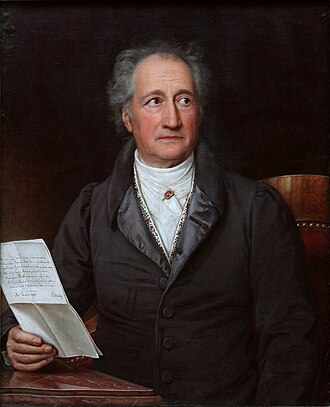
Fun Facts About Johann Wolfgang von Goethe
- Johann Wolfgang von Goethe met Napoleon in 1808, and the two discussed Voltaire and The Sorrows of Young Werther, which Napoleon had read seven times.[1][3][4][5][6]
- Goethe was prouder of his color theory than of his poetry, claiming he was the only person of his century who knew the truth about colors.[1]
- Goethe owned the largest private mineral collection in Europe, with 17,800 rock samples by the time of his death.[1]
- The human intermaxillary bone is also known as "Goethe's bone": he independently discovered it in 1784, partly by studying an elephant's skull.[1]
- Goethe's famous last words "More light" are an abridgment: the earliest account has him asking for a second window shutter to be opened "so that more light comes in."[1]
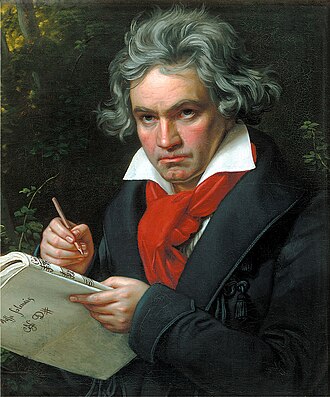
- In 1812 Goethe met his admirer Ludwig van Beethoven twice, in Teplice and Vienna; Beethoven had set music to Goethe's Egmont two years earlier.[1][7][8]
- Johann Wolfgang von Goethe was alive at the same time as James Clerk Maxwell — their lives overlapped for 1 year (1831–1832).[1][2][9][10]
- Johann Wolfgang von Goethe shares a birthday with Ai Weiwei: both were born on August 28.[1][2][11][12]
Johann Wolfgang von Goethe was a German polymath who is widely regarded as the most influential writer in the German language. His work has had a wide-ranging influence on literary, political, Christian views, and philosophical thought in the Western world from the late 18th century to the present. A poet, playwright, novelist, scientist, statesman, theatre-director, and critic, Goethe wrote a wide range of works, including plays, poetry and aesthetic criticism, as well as treatises on botany, anatomy, and colour.[1]
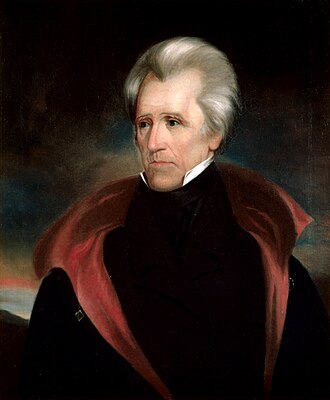
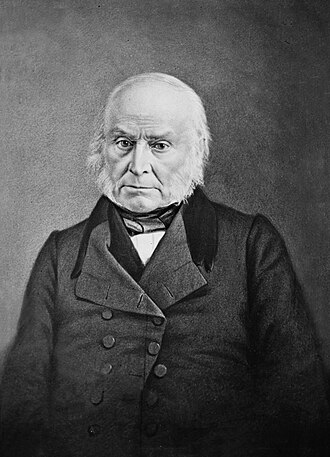
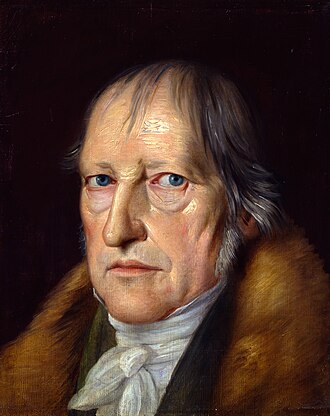
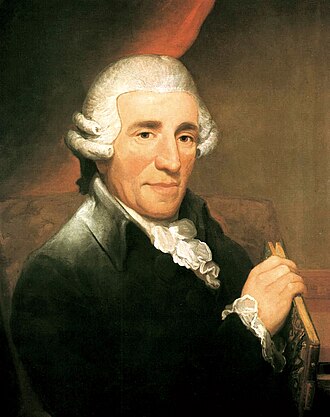
Read more on Wikipedia →Contemporaries
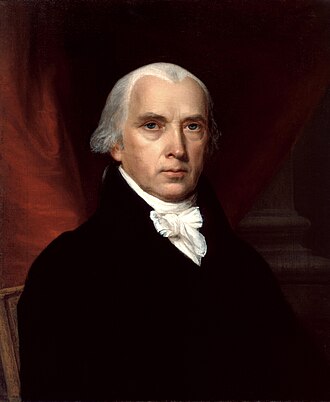
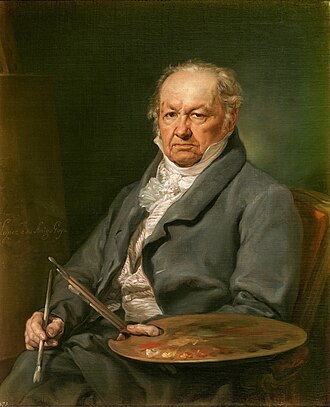
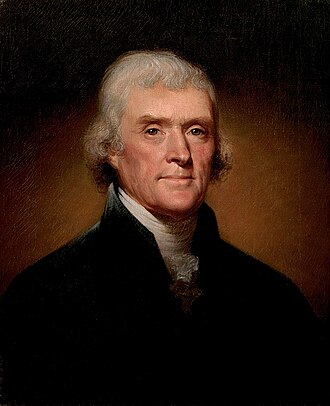
Their World
Questions About Johann Wolfgang von Goethe
When was Johann Wolfgang von Goethe born?
Johann Wolfgang von Goethe was born on August 28, 1749, and died on March 22, 1832.
How old was Johann Wolfgang von Goethe at death?
Johann Wolfgang von Goethe was born on August 28, 1749, and died on March 22, 1832, at age 82.
What was Johann Wolfgang von Goethe known for?
Johann Wolfgang von Goethe was known for: German poet and author of Faust. Johann Wolfgang von Goethe was a German polymath who is widely regarded as the most influential writer in the German language. His work has had a wide-ranging influence on literary, political, Christian views, and philosophical thought in the Western world from the late 18th century to the present. A poet, playwright, novelist, scientist, statesman, theatre-director, and critic, Goethe wrote a wide range of works, including plays, poetry and aesthetic criticism, as well as treatises on botany, anatomy, and colour.
Who was alive at the same time as Johann Wolfgang von Goethe?
Johann Wolfgang von Goethe's closest contemporary was James Madison. Their lives overlapped for 81 years.
Sources
- Johann Wolfgang von Goethe — Wikipedia. Text available under CC BY-SA 4.0
- Johann Wolfgang von Goethe (Q5879) — Wikidata
- Napoleon — Wikipedia
- Napoleon Bonaparte (Q517) — Wikidata
- Voltaire — Wikipedia
- Voltaire (Q9068) — Wikidata
- Ludwig van Beethoven — Wikipedia
- Ludwig van Beethoven (Q255) — Wikidata
- James Clerk Maxwell — Wikipedia
- James Clerk Maxwell (Q9095) — Wikidata
- Ai Weiwei — Wikipedia
- Ai Weiwei (Q160115) — Wikidata
- Portrait: Goethe (Stieler 1828).jpg — Wikimedia Commons. Joseph Karl Stieler, Public domain