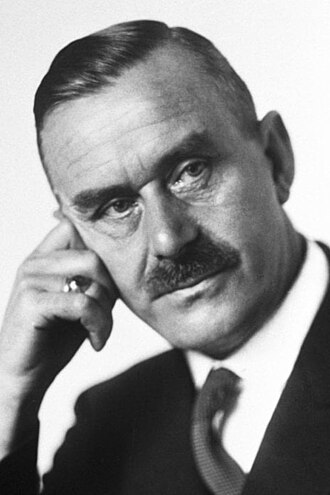
Fun Facts About Thomas Mann
- Thomas Mann's The Magic Mountain was inspired by his wife Katia's months in a Davos sanatorium, where he visited her, after she was wrongly diagnosed with tuberculosis.[1]
- As a young man, Mann worked at the South German Fire Insurance Company in 1894–95. His writing career began at the magazine Simplicissimus.[1]
- Mann used his Nobel Prize money to build a cottage in the fishing village of Nida, Lithuania. Today it is a cultural center dedicated to him.[1]
- After fleeing the Nazis, Mann received Czechoslovak citizenship and a passport in 1936, even though he had never lived there.[1]
- During World War II, Mann recorded anti-Nazi talks in the US that the BBC broadcast to Germany. In one he said the war at least kept Hitler from making speeches about culture.[1][3][4]
- Mann burned his pre-1933 diaries in 1945, but decided to have the rest published 20 years after his death, predicting surprise and cheerful astonishment.[1]
- Thomas Mann was alive at the same time as Angela Merkel — their lives overlapped for 1 year (1954–1955).[1][2][5][6]
- Thomas Mann shares a birthday with Alexander Pushkin: both were born on June 6.[1][2][7][8]
Paul Thomas Mann was a German novelist, short story writer, social critic, philanthropist, essayist, and the 1929 Nobel Prize in Literature laureate. His highly symbolic and ironic epic novels and novellas are noted for their insight into the psychology of the artist and the intellectual. His analysis and critique of the European and German soul used modern versions of German and Biblical stories, as well as the ideas of Johann Wolfgang von Goethe, Friedrich Nietzsche, and Arthur Schopenhauer.[1]
Read more on Wikipedia →Contemporaries
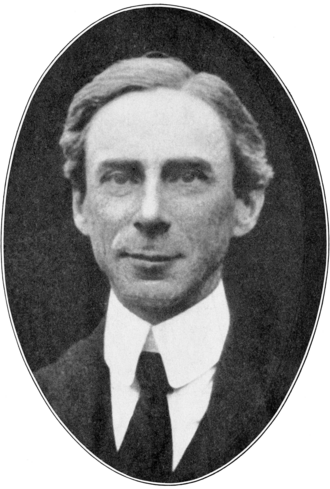
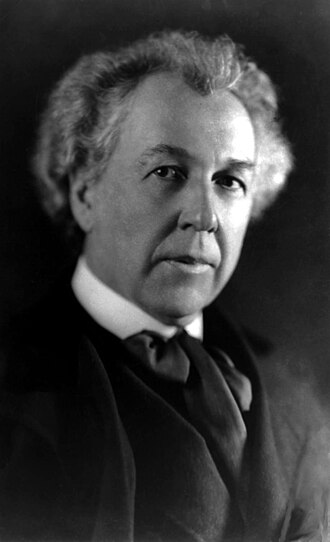
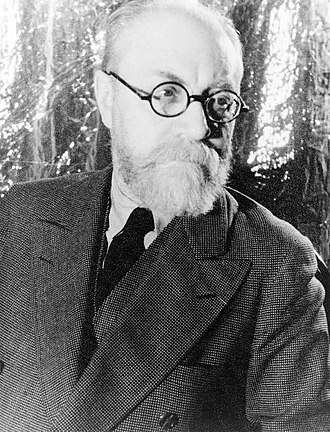
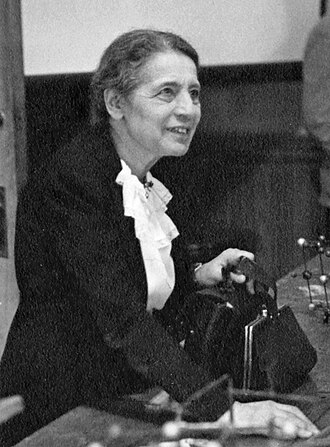
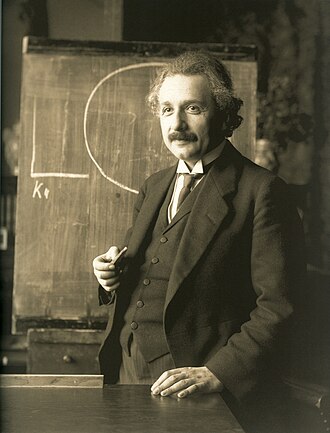
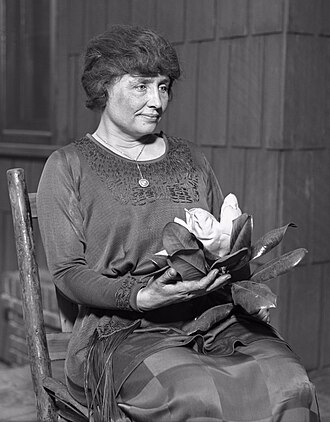
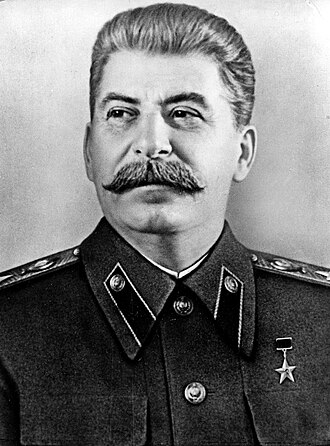
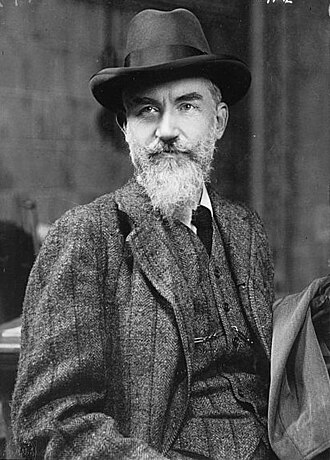
Their World
Questions About Thomas Mann
When was Thomas Mann born?
Thomas Mann was born on June 6, 1875, and died on August 12, 1955.
How old was Thomas Mann at death?
Thomas Mann was born on June 6, 1875, and died on August 12, 1955, at age 80.
What was Thomas Mann known for?
Thomas Mann was known for: German novelist of The Magic Mountain. Paul Thomas Mann was a German novelist, short story writer, social critic, philanthropist, essayist, and the 1929 Nobel Prize in Literature laureate. His highly symbolic and ironic epic novels and novellas are noted for their insight into the psychology of the artist and the intellectual. His analysis and critique of the European and German soul used modern versions of German and Biblical stories, as well as the ideas of Johann Wolfgang von Goethe, Friedrich Nietzsche, and Arthur Schopenhauer.
Who was alive at the same time as Thomas Mann?
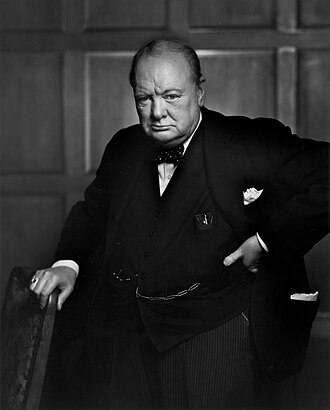
Thomas Mann's closest contemporary was Winston Churchill. Their lives overlapped for 80 years.
Sources
- Thomas Mann — Wikipedia. Text available under CC BY-SA 4.0
- Thomas Mann (Q37030) — Wikidata
- Adolf Hitler — Wikipedia
- Adolf Hitler (Q352) — Wikidata
- Angela Merkel — Wikipedia
- Angela Merkel (Q567) — Wikidata
- Alexander Pushkin — Wikipedia
- Alexander Pushkin (Q7200) — Wikidata
- Portrait: Thomas Mann 1929.jpg — Wikimedia Commons. Nobel Foundation, Public domain